
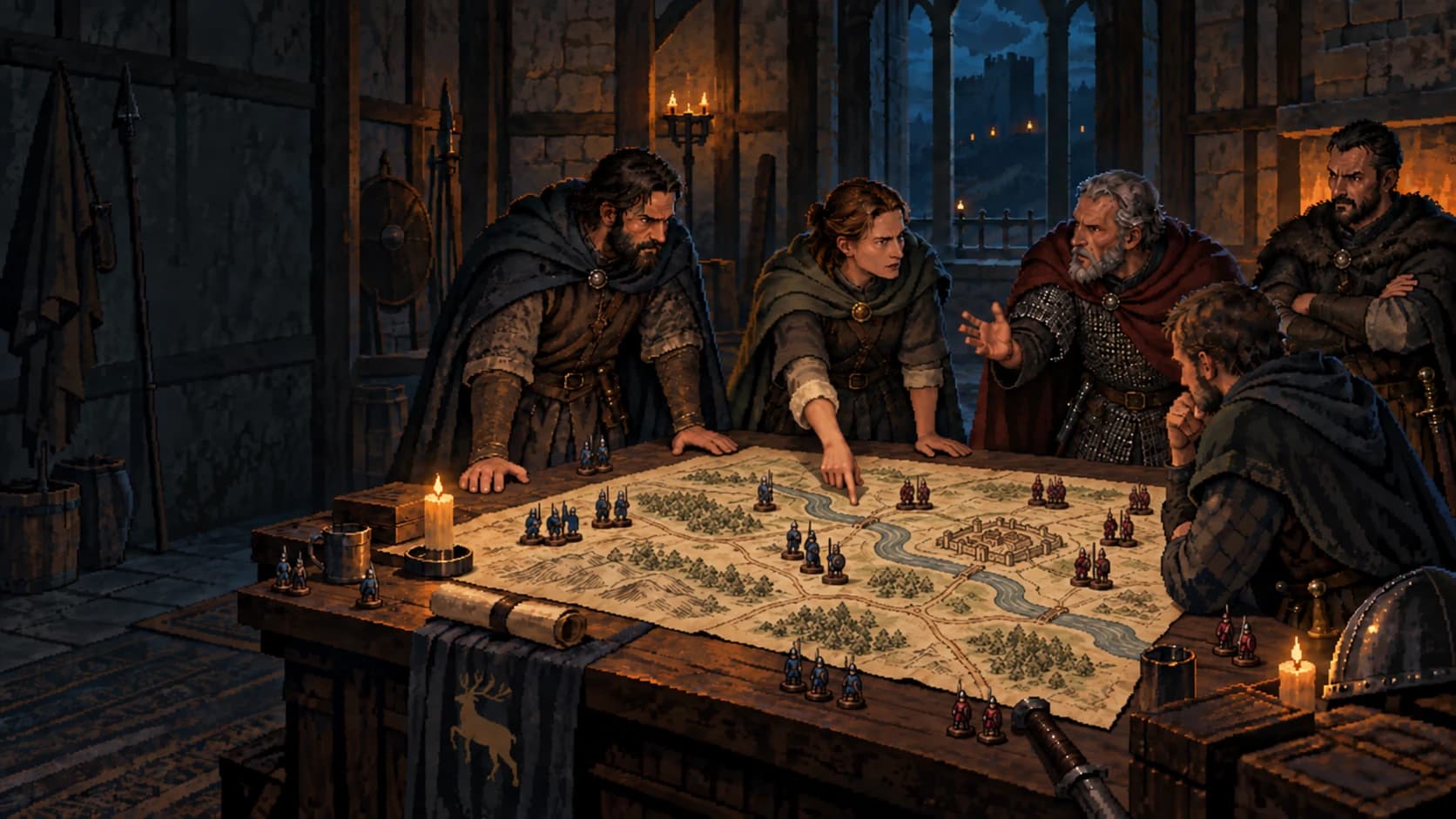
A HISTORICAL-FANTASY SANDBOX STRATEGY RPG
A world to discover.
A warband to
remember.
Turn frightened levies into veterans. Make an enemy captain your commander. Take a warlord’s land and give them a reason to remember you.
In development · Android first · Single-player
Building your army
You recruit soldiers from the towns and villages you pass through, and what each place offers depends on the part of the world it sits in. An army raised in one region will look and fight differently from one raised in another, so the route you take shapes the army you end up with.
Troops who survive their battles earn experience and can be upgraded into stronger units. Keep a company of recruits alive long enough and it becomes the veteran core you build everything else around.
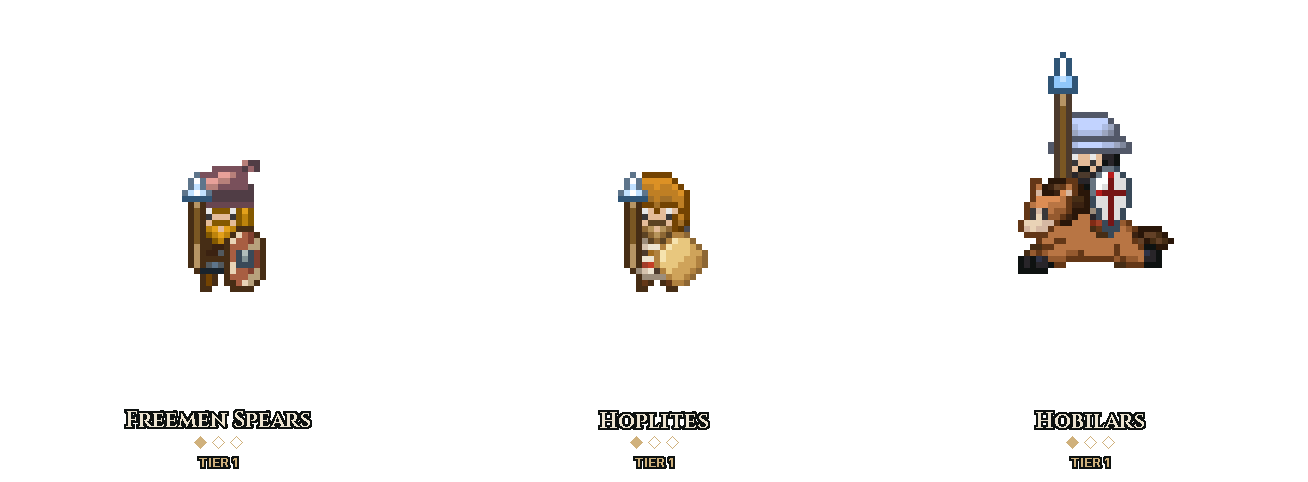
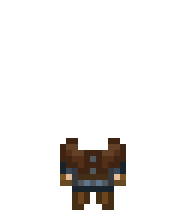
Every soldier is built from parts
Each soldier in Oathsong is a modular assembly. The armies you meet look distinct from one another rather than like copies of the same sprite. The same unit type can have multiple outfits.
When you found your own faction, the same system allows you to design your own troop trees and loadouts.
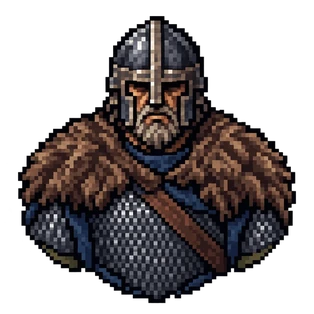
Heroes have to be taken in battle
There is no tavern to hire heroes from. The only way to get one is to defeat them in combat and take them captive. Heroes gain experience, skills, and traits. An exceptional hero can completely change the effectiveness of the unit it leads. The commander who nearly broke your line could end up leading it.
A world that carries on without you
The map is divided between established factions, untamed wildlands and frontier territory that nobody has claimed. Factions go to war and conquer one another whether or not you are involved. Outlaws operate in every region, raiding from hidden camps, and the ruins scattered across the map can yield a worthy prize.
Enemies who come back
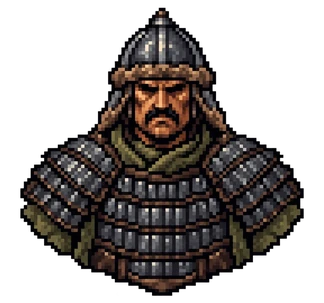
Some of the enemies you defeat will not stay defeated. They return later looking for revenge, stronger than when you last met and adapted to the way you fight. Who you let walk away after a battle is a decision with consequences, and a rival left alone long enough can undo a lot of what you have built.
Five cultures
Each culture draws on real historical peoples and has its own unit tree with its own strengths and weaknesses. Where you start shapes your first army, but as you can recruit from the other cultures if you travel to their lands.
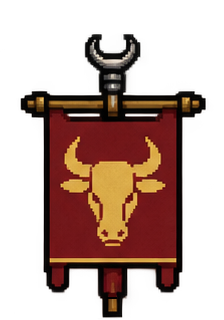
Classical
Rome, Greece and Macedon
Heavy infantry that wins by keeping its formation intact, with cavalry held back until the enemy line opens up.
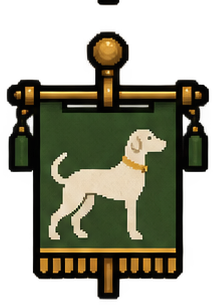
Feudal
Medieval Western Europe and the Holy Roman Empire
A small, heavily armoured mounted elite backed by large numbers of common infantry and archers. Its cavalry charge hits harder than almost anything else in the game.
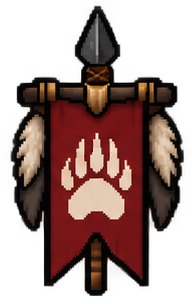
Warband
Norse, Germanic, Gallic, Dacian and Thracian peoples
Aggressive infantry built to break an enemy line in the first moments of contact, before it has time to settle.

Sultanate
Achaemenid, Parthian, Sasanian and Amazigh
The most rounded armies of the five, combining armoured cavalry, elite infantry and skirmishers who wear the enemy down first.

Equestrian
Mongol, Cuman, Scythian, Sarmatian and Hunnic peoples
Armies that fight almost entirely from the saddle, harassing with horse archers and sending in lancers once something breaks.
Join the playtest
We are running small playtests on Android ahead of a closed beta. Sign up and we will email you when a spot opens. Not everyone who signs up will get in, but everyone who plays will be helping decide what the first campaigns feel like.
In development for Android. Small testing groups.
Sign up for playtest and closed-beta invitations. Access is not guaranteed.
Be there for the first battles.
Get an email when there’s an opportunity to play.
Only emails about testing. Unsubscribe at any time. Signing up doesn’t guarantee beta access. By joining, you agree to our Terms of Service.
How we use your email
Oathsong uses your email to contact you about playtests and closed beta access. It is stored with our email provider, Resend. We don’t sell your email or use it for unrelated marketing. You can unsubscribe through any invitation email. Read the full Privacy Policy.